Optimale Versandstrategie für Batteriespeicher für Ihre Ladestation
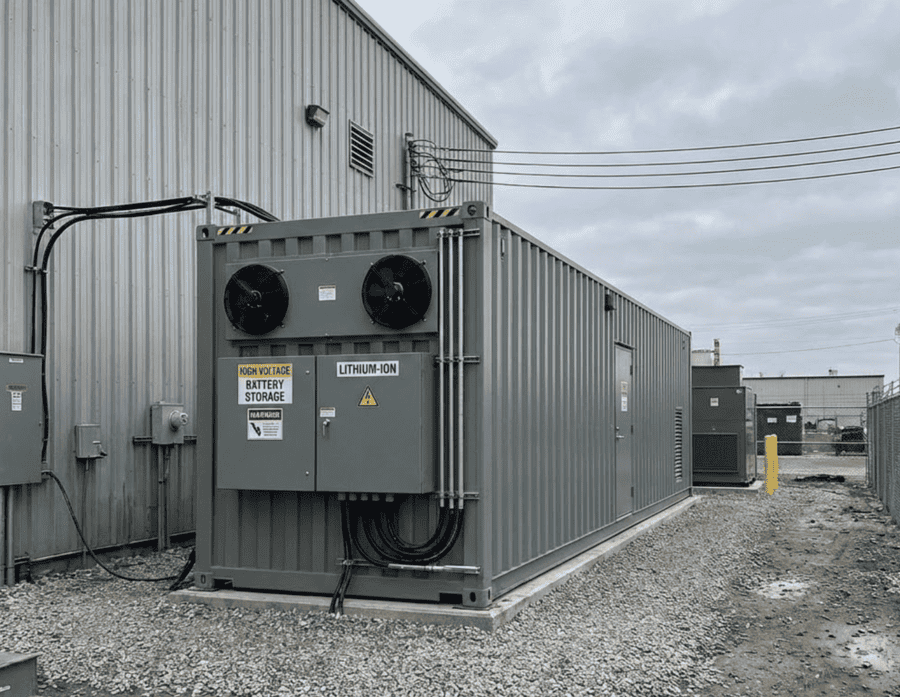
Ein Batteriespeichersystem ist nur so wertvoll wie die Strategie, die dahinter steckt. Wir modellieren die richtige BESS-Größe, die richtige Versandlogik und die richtigen finanziellen Argumente für Ihren spezifischen Standort — damit Sie in Speicher investieren, der sich von selbst bezahlt macht.
Ermitteln Sie, ob der Batteriespeicher für Ihren Standort finanziell sinnvoll ist
Batteriespeicher sind nicht für jeden Standort die richtige Lösung. Es ist finanziell sehr sinnvoll, wenn Ihr Stromtarif Gebühren für hohe Nachfrage beinhaltet, wenn Ihr Netzanschluss eingeschränkt ist und eine Aufrüstung teuer oder langsam ist oder wenn Sie über eine erhebliche Menge an Solarenergie verfügen, die derzeit exportiert und nicht genutzt wird. Es ist weniger sinnvoll, wenn Ihr Stromnetz uneingeschränkt ist und Ihr Tarif pauschal ist. Wir modellieren Ihr spezifisches Lastprofil, Ihre Tarifstruktur und Ihren Ladeplan, um festzustellen, ob BESS Ihren Gesamt-ROI beschleunigt — und um wie viel.
- BESS-Geschäftsszenario, modelliert anhand Ihres tatsächlichen Stromtarifs und Lastprofils
- Das Potenzial zur Reduzierung der Nachfrageladung wird anhand der Daten Ihres Intervallzählers berechnet
- Vergleich des ROI mit und ohne Speicher nebeneinander
- Schwellenwertanalyse, die zeigt, ab welchem Ladezustand BESS rentabel wird

Branchenübergreifend

.png)


.png)
.png)

Die richtige Versandlogik macht den Unterschied zwischen einer guten und einer großartigen BESS-Investition
Die meisten Batteriespeichersysteme sind nach einem einfachen statischen Zeitplan programmiert — nachts aufladen, tagsüber entladen. Dieser Ansatz macht einen erheblichen Mehrwert aus. Bei einer optimierten Versandstrategie werden Ihre Gebäudelast in Echtzeit, Ihr Ladeplan für den Fuhrpark, Ihre Solarstromkennlinie und Ihre Tarifstruktur für den Stromverbrauch berücksichtigt, um genau zu bestimmen, wann die Batterie geladen, wie viel Sie reservieren und wann sie entladen werden muss. Bei Standorten mit Nutzungszeittarifen oder dynamischen Preisen kann dies den Unterschied zwischen einer Amortisationszeit von 3 Jahren und einer Amortisationszeit von 6 Jahren für dieselbe Hardware ausmachen.
- Vergleich von statischem und optimiertem Versand, der für Ihre Website modelliert wurde
- Integration von Nutzungsdauer und dynamischer Preisgestaltung in die Versandlogik
- Strategie zur Maximierung des Eigenverbrauchs von Solarenergie
- Anhand historischer Ladedaten der Website aus 12 Monaten validiert

Kombinieren Sie mehrere Einnahmequellen mit einer einzigen Batterieinvestition
Die stärksten BESS-Geschäftsszenarien kombinieren mehrere Wertströme aus derselben Anlage — eine Praxis, die als Value Stacking bekannt ist. Ein einziges Batteriesystem kann gleichzeitig die Entgelte bei Spitzenlastspitzen reduzieren, überschüssige Solarenergie speichern, bei Netzausfällen Notstrom liefern und in einigen Märkten an Netzdienstleistungen oder Energiearbitrage-Programmen teilnehmen. Wir identifizieren jeden relevanten Wertstrom für Ihre Website und Ihren Markt, quantifizieren jeden einzelnen und zeigen die kombinierten finanziellen Auswirkungen auf.
- Quantifizierter Wert für die Reduzierung der Nachfragegebühren für Ihre Tarifstruktur
- Anstieg des solaren Eigenverbrauchs, der Ihrem Erzeugungsprofil nachempfunden ist
- Bewertung der Marktbeteiligung von Netzdienstleistungen und Flexibilität nach Märkten
- Potenzial für Energiearbitrage im Rahmen von Day-Ahead- und Spot-Preisstrukturen

.png)
Optimiertes Laden für Schulflotten in ganz Nordamerika
First Student maximiert Energieeinsparungen und die Verfügbarkeit von Ladegeräten für Schulen in ganz Nordamerika

WatteV erzielt betriebliche Exzellenz für Ladestationen für Elektrofahrzeuge
WatteV verwendet die Software von Ampcontrol, um den gesamten Spitzenstrombedarf zu reduzieren und eine hohe Verfügbarkeit der Ladeinfrastruktur für die Flotten sicherzustellen.

Revel nutzt KI-gestützte Lösungen, um die Flotteneffizienz zu steigern
Revel verwendet die Software von Ampcontrol, um die Kraftstoffkosten zu senken und den Zugang zu öffentlichen Ladestationen zu ermöglichen.

Wie Takealot und Aeversa die Energiekosten für Elektroflotten um bis zu 65% senken
Erfahren Sie, wie Takealot und Aeversa die Energiekosten für Elektroflotten um bis zu 65% senken.

Die Plattform von Geotab wurde um intelligente Ladelösungen für Elektrofahrzeuge erweitert
Geotab Marketplace ist wegweisend für die Verbindung von Flotten-Telematik und intelligentem Laden

Automatisches Lastmanagement für Elektrofahrzeuge mit KI-Unterstützung von Electrada
Erfahren Sie in dieser Fallstudie, wie Electrada ein KI-gestütztes automatisches Lademanagementsystem für Elektrofahrzeuge einsetzt, um die Betriebskosten für ihre Flotten und Kunden zu senken.

7Gen bietet KI-gestütztes Lademanagement für schlüsselfertige Lösungen
7Gen elektrifiziert kanadische EV-Flotten mit der Ampcontrol Lademanagement-Software

Aeversa überwindet die Netzkapazität mithilfe von Lastmanagement-Software
Aeversa verwendet Ampcontrol für den Energiefluss und die Überwachung der Ladebetriebszeit von Elektroflottendepots in Südafrika.
Bringen Sie Ihren Betrieb mit Ampcontrol auf die Sprungkraft


Optimieren Sie den Betrieb Ihrer Elektroflotte


Die deutlichsten Anzeichen dafür, dass BESS an Ihrem Standort starke Renditen erzielen wird, sind die hohen Spitzenlastentgelte in Ihrem Stromtarif, ein eingeschränkter Netzanschluss, der die Anzahl der Ladegeräte, die Sie installieren können, begrenzt, und eine erhebliche Menge an Solarenergie vor Ort, die derzeit zu niedrigen Tarifen ins Netz exportiert wird. Wenn Ihr Standort alle drei dieser Merkmale aufweist, wird sich BESS mit ziemlicher Sicherheit innerhalb von 4 bis 6 Jahren amortisieren. Wenn Ihr Stromnetz keinen Beschränkungen unterliegt und Ihr Tarif pauschal ist und keine Lastentgelte enthalten, ist das Geschäftsszenario schwächer und Speicher ist derzeit möglicherweise nicht die richtige Investition. Unsere Bewertung gibt Ihnen eine klare Antwort, die auf Ihren tatsächlichen Daten und nicht auf einer allgemeinen Empfehlung basiert.
Die Dimensionierung von BESS hängt von drei Faktoren ab: wie viel Spitzenlast Sie rasieren möchten, wie lange das Spitzenlastfenster anhält und wie viel Zeit die Batterie zwischen den Entladevorgängen zum Aufladen hat. Ein System, das ausschließlich für die Reduzierung der Ladungslast bei Bedarf konzipiert ist, muss in der Regel eine Reduzierung der Spitzenlast von 1 bis 3 Stunden abdecken, was für ein mittelgroßes Depot ein System im Bereich von 500 kWh bis 2 MWh bedeuten kann. Ein System, das zur Erweiterung der Netzkapazität für das Laden von Elektrofahrzeugen konzipiert ist, muss auf Ihren gesamten Energiebedarf für das Aufladen über Nacht und die Dauer Ihres Ladefensters abgestimmt sein. Wir modellieren beide Anwendungsfälle und empfehlen die praktikable Mindestsystemgröße, mit der Ihre finanziellen Ziele erreicht werden — eine überdimensionierte Batterie ist ein häufiger und teurer Fehler.
Bei Standorten mit hohen Nachfrachtarifen und eingeschränkten Netzanschlüssen liegen die Amortisationszeiten von BESS in der Regel zwischen 4 und 7 Jahren, abhängig von der Systemgröße, den lokalen Strompreisen und den verfügbaren Anreizen. Standorte, an denen auch Einnahmen aus Netzdienstleistungen oder Energiearbitrage kombiniert werden können — insbesondere in europäischen Märkten mit aktiven Flexibilitätsprogrammen — können Amortisationszeiten von 3 bis 5 Jahren erreichen. Standorte mit schwächeren Nachfrage-Gebührenstrukturen oder uneingeschränkten Netzen werden längere Amortisationszeiten haben, und in einigen Fällen ist eine Speicherung erst dann finanziell gerechtfertigt, wenn am Standort mehr Fahrzeuge hinzukommen oder das Netz stärker eingeschränkt wird. Unser Modell gibt Ihnen die genaue Zahl für Ihren Standort und nicht einen Bereich.
Ja, und dies ist oft eine der wertvollsten Konfigurationen für Depotstandorte mit Solaranlagen auf dem Dach oder in der Überdachung. Wenn die Batterie über eine Energiemanagementplattform wie Ampcontrol in den Solarwechselrichter und das Ladesystem für Elektrofahrzeuge integriert ist, kann sie tagsüber bevorzugt über die Solarenergie aufgeladen werden, überschüssige Stromerzeugung speichern, die sonst mit niedrigen Einspeiseraten exportiert würde, und entladen, um das Laden von Elektrofahrzeugen am Abend zu unterstützen, wenn die Solarleistung gesunken ist. Dadurch steigt der Eigenverbrauch der Solarenergie vor Ort — in der Regel von 30 bis 40 Prozent ohne Speicher auf 70 bis 85 Prozent mit Speicher — und reduziert direkt die Menge an Netzstrom, die zu vollen Einzelhandelspreisen gekauft wird.
Netzdienstleistungen sind Programme, die von Übertragungs- und Verteilernetzbetreibern betrieben werden und Anlagenbesitzer dafür bezahlen, dass sie ihre flexiblen Lasten oder Speicheranlagen zur Verfügung stellen, um das Stromnetz auszugleichen. Für die Batteriespeicherung in Flottendepots sind Frequenzsteuerung, Laststeuerung und Teilnahme am Kapazitätsmarkt die relevantesten Programme. Förderfähigkeit und Umsatz sind je nach Markt sehr unterschiedlich — in Deutschland, den Niederlanden und dem Vereinigten Königreich gibt es gut etablierte Märkte, auf denen Batterien im Depotmaßstab beachtliche Umsätze generieren können. In Nordamerika sind Laststeuerungsprogramme durch Versorgungsunternehmen für diese Anlageklasse üblicher als Netzdienstleistungen auf Übertragungsebene. Unsere Bewertung ermittelt, welche Programme in Ihrem Markt verfügbar sind, und modelliert den zusätzlichen Umsatz, den sie Ihrem BESS-Geschäftsszenario hinzufügen würden.
Nein, und in vielen Fällen ist es sinnvoll, sie getrennt voneinander zu phasen. Ein üblicher Ansatz besteht darin, zuerst die Ladegeräte zu installieren — sie werden mithilfe eines intelligenten Lastmanagements innerhalb Ihrer bestehenden Netzkapazität betrieben — und in einer zweiten Phase Batteriespeicher hinzuzufügen, sobald Sie für 6 bis 12 Monate über reale Betriebsdaten zu Ihrem tatsächlichen Lastprofil und Ihren Lademustern verfügen. Diese realen Daten ergeben oft eine genauere BESS-Dimensionierung und ein genaueres Dispatchdesign als ein rein theoretisches Modell. Die wichtigste Überlegung besteht darin, sicherzustellen, dass Ihre elektrische Infrastruktur von Anfang an so konzipiert ist, dass die zukünftige Batterieintegration möglich ist — insbesondere, dass Ihre Schaltanlage und Ihr Wechselrichter dies zulassen —, damit die Installation der zweiten Phase keine nennenswerten Nacharbeiten erfordert.
