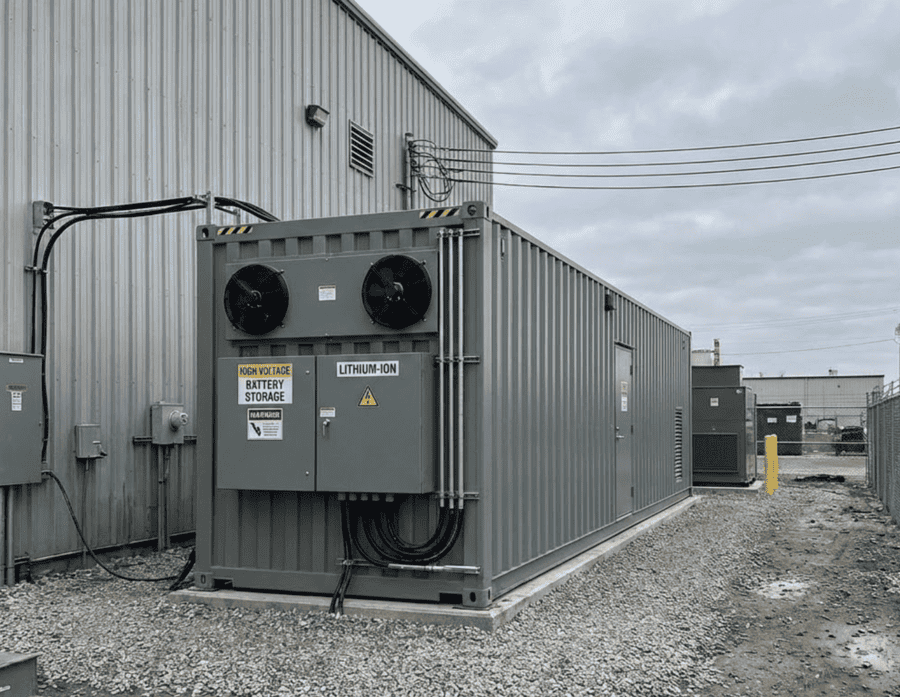
Optimale verzendstrategie voor batterijopslag voor uw laadlocatie
Een energieopslagsysteem op batterijen is slechts zo waardevol als de strategie erachter. We modelleren de juiste BESS-grootte, de juiste verzendlogica en de juiste financiële case voor uw specifieke site — zodat u investeert in opslag die zichzelf terugverdient.
Bepaal of batterijopslag financieel zinvol is voor uw site
Batterijopslag is niet voor elke locatie de juiste oplossing. Het is financieel verstandig als uw energietarief hoge vraagkosten omvat, wanneer uw netaansluiting beperkt is en een upgrade duur of traag is, of wanneer u een aanzienlijke opwekking van zonne-energie hebt die momenteel wordt geëxporteerd in plaats van gebruikt. Het is zwakker als uw netwerk onbeperkt is en uw tarief vast is. We modelleren uw specifieke belastingsprofiel, de structuur van het energietarief en het laadschema om te bepalen of BESS uw totale ROI versnelt — en in welke mate.
- BESS-businesscase gemodelleerd op basis van uw werkelijke energietarief en belastingsprofiel
- Potentieel voor vermindering van de vraagbelasting, berekend op basis van de gegevens van uw intervalmeter
- ROI-vergelijking met en zonder opslag naast elkaar
- Drempelanalyse die laat zien op welk laadniveau BESS levensvatbaar wordt

In verschillende bedrijfstakken



.png)
.png)

.png)
De juiste verzendlogica maakt het verschil tussen een goede en een geweldige BESS-investering
De meeste batterijopslagsystemen zijn geprogrammeerd volgens een eenvoudig statisch schema:'s nachts opladen, overdag ontladen. Deze aanpak laat een aanzienlijke waarde op tafel liggen. Een geoptimaliseerde verzendstrategie houdt rekening met uw realtime bouwbelasting, het laadschema van uw wagenpark, uw opwekkingscurve voor zonne-energie en de structuur van uw energietarief om precies te bepalen wanneer de batterij moet worden opgeladen, hoeveel u moet reserveren en wanneer u moet ontladen. Voor sites met gebruikstijdtarieven of dynamische prijzen kan dit het verschil betekenen tussen een terugverdientijd van drie jaar en een terugverdientijd van zes jaar op dezelfde hardware.
- Statische versus geoptimaliseerde verzendvergelijking, gemodelleerd voor uw site
- Gebruikstijdstip en dynamische prijsintegratie in de verzendlogica
- Strategie voor maximalisatie van het eigen verbruik van zonne-energie
- Gevalideerd op basis van 12 maanden aan historische gegevens over het laden van sites

Stapel meerdere inkomstenstromen uit één investering in batterijen
De sterkste businesscases van BESS combineren meerdere waardestromen van hetzelfde activum - een praktijk die bekend staat als waardestapeling. Eén batterijsysteem kan tegelijkertijd de piekkosten verlagen, overtollige zonneopwekking opslaan, noodstroom leveren tijdens stroomuitval en in sommige markten deelnemen aan netdiensten of energiearbitrageprogramma's. We identificeren elke waardestroom die van toepassing is voor uw site en markt, kwantificeren deze en tonen de gecombineerde financiële impact.
- Waarde van de verlaging van de vraagkosten, gekwantificeerd voor uw tariefstructuur
- Verhoging van het zelfverbruik van zonne-energie, gemodelleerd naar uw opwekkingsprofiel
- Beoordeling van de marktparticipatie van netdiensten en flexibiliteit per markt
- Potentieel voor energiearbitrage in het kader van day-ahead- en spotprijsstructuren

.png)
Geoptimaliseerd opladen voor schoolvloten in Noord-Amerika
First Student maximaliseert energiebesparingen en laadtijd voor scholen in Noord-Amerika
Aeversa overwint netuitdagingen voor het opladen van elektrische vrachtwagens in Zuid-Afrika
Sinds augustus 2022 zorgen Aeversa en Ampcontrol voor 24/7 uptime voor de eerste depots van de EV-vloot in Zuid-Afrika, waarmee kritieke uitdagingen zijn aangepakt.
WattEV maximaliseert de inzetbaarheid van de oplader op de grootste site voor elektrische vrachtwagens in Noord-Amerika
Ontdek hoe WattEV zorgt voor een hoge inzetbaarheid van de oplader en een naadloze chauffeurservaring op de grootste site voor elektrische vrachtwagens in Noord-Amerika.
Integratie van slim opladen in minder dan 15 minuten
Ontdek hoe Ampcontrol Longship OCPP-software wordt gebruikt om een directe verbinding te maken met de laders en intelligente oplaadmogelijkheden om aan te passen aan alle activiteiten.
Verlaging van de vraagkosten van het wagenpark van Revel
Ontdek hoe Ampcontrol het opladen van het Tesla-wagenpark van Revel optimaliseert, de maandelijkse vraagkosten met 45% verlaagt en ervoor zorgt dat voertuigen klaar zijn voor de volgende shift.

WattEV bereikt operationele uitmuntendheid voor laadlocaties voor EV-vrachtwagens
WattEV gebruikt de software van Ampcontrol om de totale vraag naar piekvermogen te verminderen en een hoge beschikbaarheid van de laadinfrastructuur voor de vloten te garanderen.

Revel maakt gebruik van AI-aangedreven oplossingen om de efficiëntie van het wagenpark te verhogen
Revel gebruikt de software van Ampcontrol om de brandstofkosten te verlagen en openbare oplaadmogelijkheden te bieden.

Hoe Takealot en Aeversa de energiekosten tot 65% verlagen
Ontdek hoe Takealot en Aeversa de energiekosten voor elektrische wagenparken tot 65% verlagen.
Electrada verbetert de beschikbaarheid van EV-laders voor Vanderbilt University
Ontdek hoe Electrada en Ampcontrol de efficiëntie van het opladen van elektrische voertuigen verbeteren aan de Vanderbilt University.
Copec Voltex laadt elektrische busvloten op in Chili
Voltex gebruikt Ampcontrol om voertuigen te identificeren, de CO2-uitstoot te verminderen, het gebruik van hernieuwbare energie te stimuleren, tests vóór de inbedrijfstelling uit te voeren en hardware te evalueren.
Dynamisch belastingsbeheer om laadlocaties voor elektrische voertuigen te beheren
Ontdek hoe Ampcontrol de vier laadlocaties van Floading optimaliseert met dynamisch laadbeheer, waardoor het piekvermogen wordt verlaagd.

Geotab's platform verbeterd door slimme laadoplossingen voor elektrische voertuigen
Geotab Marketplace is toonaangevend voor het verbinden van wagenparktelematica en slim opladen

7Gen biedt AI-aangedreven oplaadbeheer voor kant-en-klare oplossingen
7Gen elektrificeert Canadese EV-vloten met Ampcontrol-laadbeheersoftware

Electrada AI-aangedreven automatisch laadbeheer voor elektrische voertuigen
Ontdek in deze casestudy hoe Electrada een door AI aangedreven automatisch laadbeheersysteem voor elektrische voertuigen gebruikt om de operationele kosten voor hun wagenparken en klanten te verlagen.

Aeversa overwint de netcapaciteit met behulp van software voor belastingbeheer
Aeversa gebruikt Ampcontrol voor de energiestroom en het monitoren van de inzetbaarheid van de laders van elektrische wagenparken in Zuid-Afrika.
7Gen werkt met een uptime van meer dan 99% van de opladers op LastMile-bezorglocaties
7Gen maakt gebruik van de EV-laadsoftware van Ampcontrol om snelle, hoogwaardige wagenparkondersteuning te bieden met een uptime van meer dan 99%.
Aerovolt lanceert het eerste Britse oplaadnetwerk voor elektrische vliegtuigen
Ontdek hoe Aerovolt's Charging-as-a-Service (CaaS) OCPP-laders integreert met aangepaste bedieningstools met behulp van de oplaadsoftware-API van Ampcontrol voor luchthavens en elektrische vliegtuigen.
Geef uw activiteiten een boost met Ampcontrol


Optimaliseer de activiteiten van uw elektrische wagenpark


De duidelijkste aanwijzingen dat BESS op uw locatie een sterk rendement zal opleveren, zijn hoge piekkosten in uw energietarief, een beperkte netaansluiting die het aantal laders beperkt dat u kunt installeren, en aanzienlijke zonneopwekking ter plaatse die momenteel tegen lage tarieven naar het net wordt geëxporteerd. Als uw site al deze drie kenmerken heeft, zal BESS zichzelf vrijwel zeker binnen 4 tot 6 jaar terugverdienen. Als uw elektriciteitsnet niet beperkt is en uw tarief vlak is en er geen kostencomponent is waarvoor geen vraag is, is de businesscase zwakker en is opslag op dit moment misschien niet de juiste investering. Onze beoordeling geeft u een duidelijk antwoord op basis van uw werkelijke gegevens in plaats van een algemene aanbeveling.
De grootte van de BESS hangt af van drie dingen: hoeveel piekbelasting u wilt besparen, hoe lang de piekperiode duurt en hoeveel tijd de batterij nodig heeft om op te laden tussen ontladingen. Een systeem dat uitsluitend is ontworpen om de vraag te verminderen, moet doorgaans 1 tot 3 uur piekbelasting verminderen, wat voor een middelgroot depot een systeem tussen 500 kWh en 2 MWh kan betekenen. Een systeem dat is ontworpen om de netcapaciteit voor het opladen van elektrische voertuigen uit te breiden, moet worden afgewogen tegen uw totale energiebehoefte gedurende de nacht en de duur van uw oplaadperiode. We modelleren beide gebruikssituaties en raden de minimale omvang van het systeem aan waarmee uw financiële doelstellingen worden bereikt. Een batterij te groot maken is een veelgemaakte en dure fout.
Voor locaties met hoge vraagtarieven en beperkte netverbindingen variëren de terugverdientijden van BESS doorgaans van 4 tot 7 jaar, afhankelijk van de grootte van het systeem, de lokale elektriciteitsprijzen en de beschikbare stimulansen. Locaties die ook inkomsten uit netdiensten of energiearbitrage kunnen stapelen, met name op Europese markten met actieve flexibiliteitsprogramma's, kunnen terugverdientijden van 3 tot 5 jaar behalen. Locaties met zwakkere vraagstructuren of netwerken zonder beperkingen zullen langere terugverdientijden hebben, en in sommige gevallen is opslag niet financieel verantwoord totdat de locatie meer voertuigen toevoegt of het net beperkter wordt. Ons model geeft u het exacte cijfer voor uw site in plaats van een reeks.
Ja, en dit is vaak een van de meest waardevolle configuraties voor depotlocaties met zonnepanelen op het dak of de luifel. Wanneer de batterij via een energiebeheerplatform zoals Ampcontrol is geïntegreerd met de omvormer voor zonne-energie en het laadsysteem voor elektrische voertuigen, kan deze bij voorkeur overdag worden opgeladen via zonneopwekking, overtollige opwekking opslaan die anders tegen lage terugleversnelheden zou worden geëxporteerd, en ontladen om het opladen van elektrische voertuigen te ondersteunen in de avond wanneer de zonneproductie is gedaald. Dit verhoogt het eigen verbruik van zonne-energie op locatie — doorgaans van 30 tot 40 procent zonder opslag tot 70 tot 85 procent bij opslag — waardoor de hoeveelheid elektriciteit die op het net wordt aangekocht tegen volledige retailtarieven rechtstreeks afneemt.
Netdiensten zijn programma's die worden beheerd door transmissie- en distributienetbeheerders die eigenaren van activa betalen om hun flexibele ladingen of opslagmiddelen beschikbaar te stellen om het elektriciteitsnet in evenwicht te brengen. Voor batterijopslag in wagenparkdepots zijn frequentierespons, vraagrespons en capaciteitsmarktparticipatie de meest relevante programma's. De geschiktheid en inkomsten verschillen aanzienlijk per markt — in Duitsland, Nederland en het VK zijn er gevestigde markten waar batterijen op depotschaal zinvolle inkomsten kunnen genereren. In Noord-Amerika komen vraagresponsprogramma's via nutsbedrijven vaker voor dan netdiensten op transmissieniveau voor deze beleggingscategorie. Onze beoordeling identificeert welke programma's beschikbaar zijn in uw markt en modelleert de incrementele inkomsten die ze zouden toevoegen aan uw BESS-businesscase.
Nee, en in veel gevallen is het zinvol om ze apart te faseren. Een veelgebruikte aanpak is om eerst de laders te installeren — die binnen uw bestaande netcapaciteit werken met behulp van slim belastingsbeheer — en in een tweede fase batterijopslag toe te voegen zodra u over 6 tot 12 maanden echte operationele gegevens over uw werkelijke belastingsprofiel en laadpatronen beschikt. Deze echte gegevens leveren vaak een nauwkeuriger BESS-formaat- en verzendontwerp op dan een puur theoretisch model. De belangrijkste overweging is ervoor te zorgen dat uw elektrische infrastructuur van meet af aan is ontworpen om toekomstige batterijintegratie mogelijk te maken — met name om ervoor te zorgen dat uw schakelapparatuur en omvormerruimte dit mogelijk maken — zodat de installatie in de tweede fase geen noemenswaardige herbewerking vereist.
